Plantar Fasciitis Braces in Chek Nai Ping HKSAR
Podiatrists for Plantar Fasciitis Treatment in Chek Nai Ping HKSAR, China
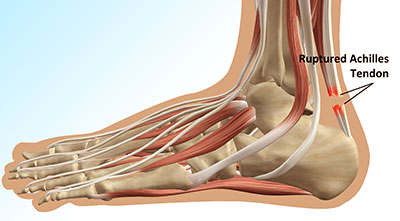
Managing Achilles Tendon Injuries Achilles tendon pain is a typical running injury that impacts the lower calf/heel area. Use sensible sports training methods, such as using the right shoes and stretching prior to activities. Practically all the force produced when you toe off" the ground throughout running is transmitted by the Achilles, and this force can be as much as three times your body weight. My conditioning was back on track and I started playing complete field soccer once more without any heel pain. Ice: Use an ice bag covered in a towel or a cold compress to your tendon for 15 minutes or more after you exercise or if you feel pain in the tendon. The Achilles tendon is the thickest and strongest tendon in your body, connecting your calf muscles to the back of your heel. The tendon will be very tender on palpation or pushing in on the achilles tendon or squeezing it from the sides. Usually, the closer a shoe is to feeling and look like a running shoe," the better it is for your foot. The night splint definitely helped, however what finally got me back on the streets was ART treatment. Being out of shape or not heating up prior to exercising might also cause Achilles tendon issues. If your doctor thinks it will help, try a pair of prescription orthotic inserts for your shoes. Achilles tendonitis typically begins as a dull stiffness in the tendon, which slowly goes away as the area gets warmed up. It may worsen with faster running, uphill running, or when wearing spikes and other low-heeled running shoes. After about 4 or five weeks the results became obvious that I was moving with a large amount less pain in my heel.
Heel Pain Doctors and Surgery in Hong Kong
Previous Plantar Fasciitis Brace Next Plantar Fasciitis Brace Supplier
Plantar Fasciitis Braces Around Hong Kong
Plantar Fasciitis Braces in A Shan San Wai HKSAR
Plantar Fasciitis Braces in Chap Wai Kon HKSAR
Plantar Fasciitis Braces in A Shan HKSAR
Plantar Fasciitis Braces in A Shan Tseng Tau HKSAR
Plantar Fasciitis Braces in Che Keng Tuk HKSAR
Plantar Fasciitis Braces in Aberdeen HKSAR