Plantar Fasciitis Braces in Fan Leng HKSAR
Podiatrists for Plantar Fasciitis Treatment in Fan Leng HKSAR, China
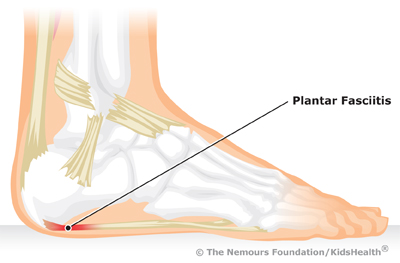
Achilles Tendon Injuries (Tendinopathy). The Achilles is the biggest tendon in the body, and is vital for all movements of the foot throughout strolling, running and jumping. If you are unfortunate enough to have Achilles tendon problems on both sides, use a step to help you get back to the up" position, using your quads instead of your calves to return up. Switch to more standard or encouraging running shoes (higher heels) throughout your runs and while walking around until your discomfort is entirely gone, and avoid flats and high heels! A professional therapist can identify possible causes such as biomechanical problems with the foot which might be contributing to the possibility of injury. I think the stats are that for 70 % surgery is successful; 20 % get no positive aspect and 10 % the discomfort worsens. Working out without warming up. Tight calf muscles or muscles that lack versatility decrease an individual's range of motion and put an additional stress on the tendon. The professional athlete carries out an eccentric heel drop exercise on an action increasing with both legs and gradually lowering the heel to the horizontal position. I've been diagnosed with achilles tendonitis on my left ankle prior to and now I'm having comparable signs once again. Any activity requiring a consistent pressing off the foot, such as running or dancing, may lead to swelling of the tendon. Achilles tendonitis might trigger the tendon to be thickened in areas, might cause swelling of the area around the tendon, and can even feel like the tendon has an unpleasant bump on it. In addition, the person with Achilles tendonitis will limp while barefoot, but walk more generally with heeled shoes on. X-rays are not useful in detecting Achilles tendonitis however may be taken to rule-out other pathology. But then the hammer fell on me and persistent Achilles pain emerged in short order on my best foot. The worst part was that I was limping noticeably with basic walking each time I got up from a chair or out of my vehicle. Once you have actually recovered up, you can slowly do some running in low-heeled shoes or perhaps barefoot (on turf) to assist accustom your Achilles to moving through its complete range of movement. And among the best ways to treat plantar fasciitis is through a course of day-to-day exercises including specific plantar fascia stretches and massages, toe bends, Achilles tendon stretches and calf lengthening exercises. With more serious or persistent Achilles Tendon injuries, or due to time restrictions such as in the case of professional athletes, time is vital and a positive treatment plan is required. I didn't slowly break them into my regular since my previous shoes had quite bad damp damage, and a week and a bit into running in them the back of my foot was harming and looked inflamed. If normal go back to activities is not possible within a few weeks, then sometimes the podiatrist might furthermore prescribe physical treatment and/or functional foot orthotics to help the tendon heal more quickly. You can still run throughout this twelve-week duration, however only if your Achilles does not flare while doing so. If the tendon ends up being swollen or irritated due to overuse,. it can cause the uncomfortable condition called Achilles tendonitis. The plantar fasciitis night splint is worn in bed and is excellent for avoiding calf muscles tightening up over night.
Heel Pain Doctors and Surgery in Hong Kong
Previous Plantar Fasciitis Brace Next Plantar Fasciitis Brace Supplier
Plantar Fasciitis Braces Around Hong Kong
Plantar Fasciitis Braces in Epworth Village HKSAR
Plantar Fasciitis Braces in Chuen Lung HKSAR
Plantar Fasciitis Braces in Chikking HKSAR
Plantar Fasciitis Braces in Chung Ji HKSAR
Plantar Fasciitis Braces in Chung Mei Kok HKSAR
Plantar Fasciitis Braces in A Shan Tseng Tau HKSAR