Plantar Fasciitis Braces in Man Wo HKSAR
Podiatrists for Plantar Fasciitis Treatment in Man Wo HKSAR, China
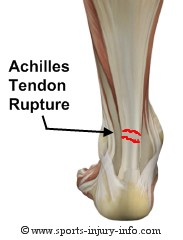
Achilles Tendon Injury Or Rupture. Achilles tendon bursitis is swelling of the fluid-filled sac (bursa) situated either in between the skin of the back of the heel and the Achilles tendon (posterior Achilles tendon bursitis) or in front of the accessory of the Achilles tendon to the heel bone (anterior Achilles tendon bursitis, retrocalcaneal bursitis). Initially, the client with Achilles tendonitis will be asked to customize their activities to decrease their running and jumping activities and do alternative physical activities, such as swimming, which don't put as much tension on the Achilles tendon. The discomfort from Achilles tendonitis is frequently so severe that running is difficult and even strolling is uneasy. Achilles tendonitis is typically an overuse injury brought on by doing excessive too soon. Even in mild cases, it can take weeks to months of rest for the tendon to fix itself. More chronic injuries may respond much better to heat treatment with a strict 12 week heel drop workout program which has been shown to be effective. As soon as you have the ability to do the heel drops with no discomfort, gradually add weight using a knapsack. Achilles tendonitis normally reacts extremely well to conservative treatment as long as it is detected and treated early. To me pressure injured it as well as it looked as though a bone had inflamed not a tendon since the swelling was hard. Achilles tendonitis has the tendency to happen more often in older athletes than in younger professional athletes. Nevertheless, Achilles tendonitis can also occur in teens who are really active in running and jumping sports. If you suffer from persistent Achilles pain or the conservative treatments are not working for you, these treatments are a bit more costly or time consuming and are just recommended for. If the athlete over pronates when running then this can trigger the foot to flatten which in turn causes the lower leg to turn inwards which twists the achilles tendon enhance the stresses on it making it more susceptible for over use. For chronic cases where tendinosis is other and obvious approaches of treatment have failed, surgical treatment may be recommended to eliminate and repair the damaged tissue. The Hakan Alfredson's heel drop method exercises have actually been revealed to be reliable in up to 90 % of patients suffering with achilles tendon pain and include the patient dropping the heel to horizontal in a regulated and sluggish manner. A worn shoe or one that does not supply adequate assistance can increase the pressure on the achilles tendon. If your heel or heel cord (Achilles tendon) is unpleasant and tight, try heel-cord workouts to enhance your strength and flexibility. Stay in good condition year-round and attempt to keep your muscles as strong as they can be. Strong, flexible muscles work more efficiently and put less stress on your tendon. Longer term chronic Achilles tendon injuries may react better to application of heat, once more requested 10 minutes every couple of hours as needed. Mild calf stretching workouts can help stretch the muscles and help healing.
Heel Pain Doctors and Surgery in Hong Kong
Previous Plantar Fasciitis Brace Next Plantar Fasciitis Brace Supplier
Plantar Fasciitis Braces Around Hong Kong
Plantar Fasciitis Braces in Hang Mei Tsuen HKSAR
Plantar Fasciitis Braces in Cheung Sok HKSAR
Plantar Fasciitis Braces in Kowloon HKSAR
Plantar Fasciitis Braces in Kau Shi Wai HKSAR
Plantar Fasciitis Braces in Leung Uk HKSAR
Plantar Fasciitis Braces in Hei Tsz Wan HKSAR